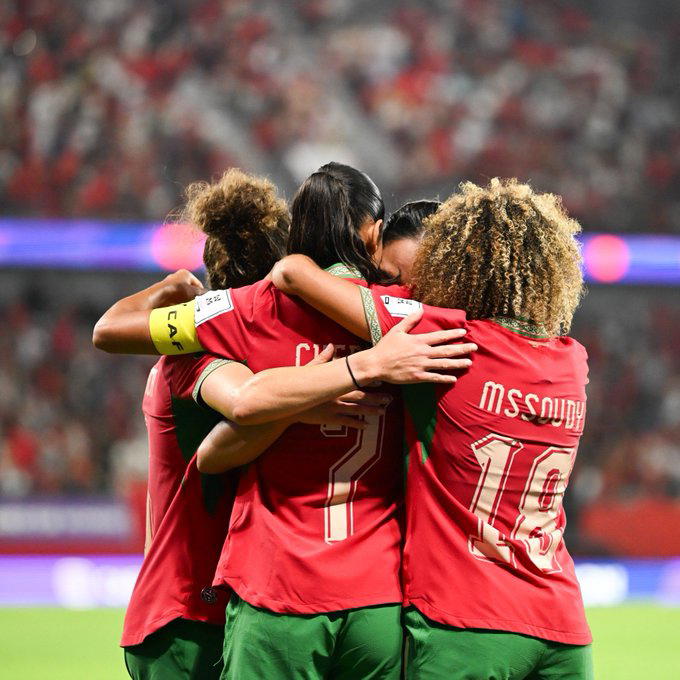


Editor's note: Follow for live updates on Argentina-Spain World Cup final
World Cup soccer games last 90 minutes – two 45-minute halves – but in the knockout stage, games that are tied at the end of regulation head to extra time, and then potentially penalty kicks.
Extra time in the World Cup is 30 minutes, in two 15-minute periods, and matches go to penalty kicks if the two teams are still level at the end of 120 minutes.
The 2026 World Cup has controversially included "hydration breaks" that take place halfway through each half , essentially breaking the game into quarters so that players can have some water – and rights-holders can make more money from commercials.
In penalty kicks, each team selects five players – who were on the field when regulation ended – to shoot from 12 yards out against the goalkeeper. Whichever team converts more is the winner, but if it's tied, the shootout continues until one team misses and the other converts. Goalkeepers eventually have to take a kick if it gets that far.
World Cup extra time rules
In the knockout stages, if a World Cup game is tied after 90 minutes, the match goes to 30 minutes of extra time.
The 30 minutes is divided into two periods, with an official intermission at the 105th minute.
World Cup extra time is not sudden death, meaning that the two teams get the full 30 minutes to score as many (or few) goals as possible before going to penalty kicks if the match remains tied.
What is stoppage time?
At the end of each half, referees add on a minimum number of extra minutes to account for stoppages in play, injuries and other delays.
An official holds up a board indicating how many minutes are being added and the referee has complete discretion on when to blow the whistle to end the period.
Source: USA Today