

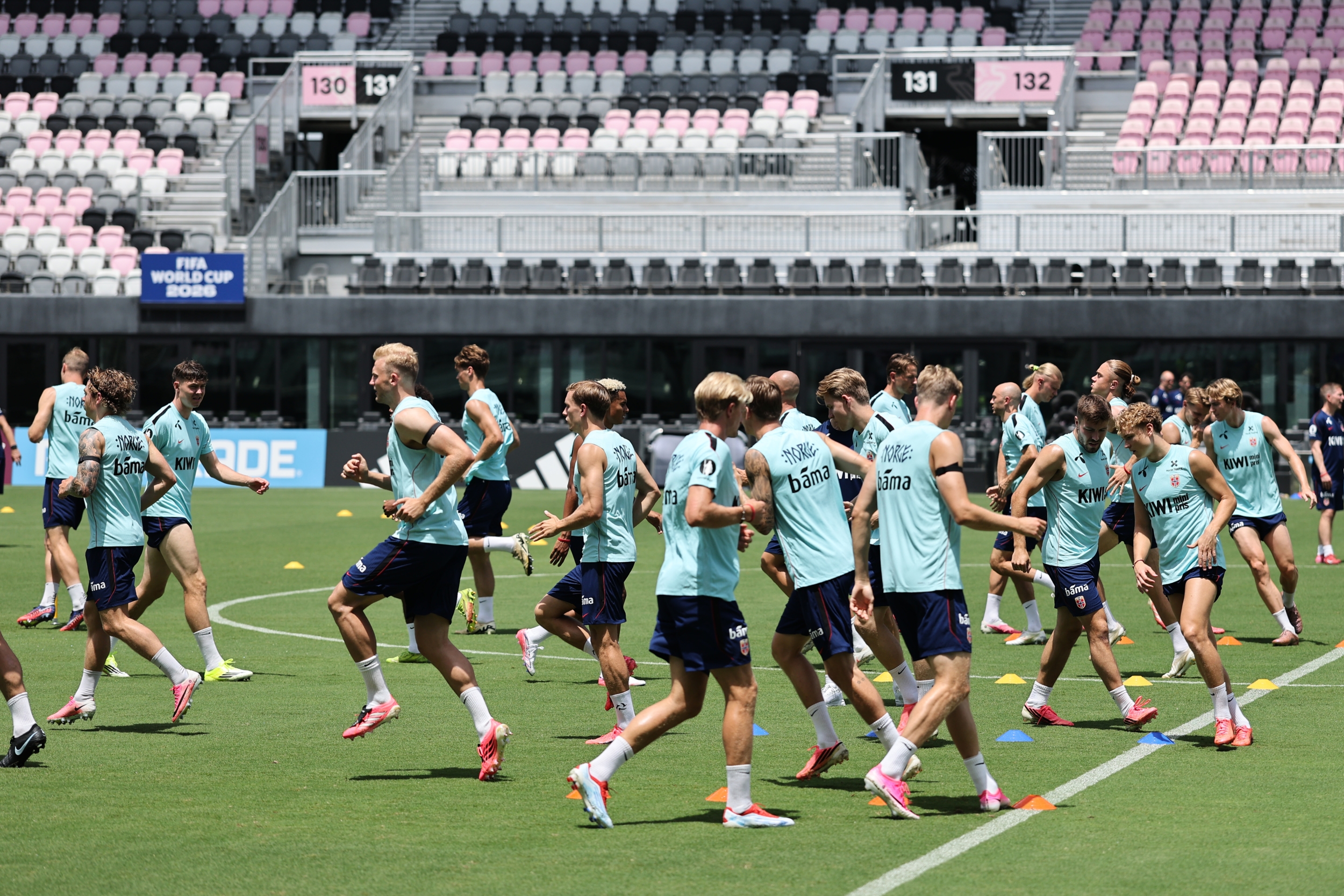
Norway's men's national team made an unusual last-minute decision ahead of its FIFA World Cup quarterfinal against England, abandoning its original hotel in Miami.
The Norwegian team reported disrupted sleep due to road noise and a nearby construction site, prompting an official complaint to FIFA, and a hotel switch was completed within hours.
The Norwegian team relocated to a new hotel near Hard Rock Stadium after spending just one night at its original accommodation in Fort Lauderdale.
While the move may have seemed logistical on the surface, sports medicine experts say it underscores a critical and often overlooked factor in elite athletic performance: quality sleep.
The decision also comes after several Norwegian players recovered from an illness that had circulated through the squad earlier in the week, making rest and recovery even more important ahead of the country's biggest World Cup match in history.
Sleep Is a Competitive Advantage
Elite athletes spend countless hours optimizing nutrition, training, and recovery, but sleep is one of the most powerful performance tools available.
Adequate sleep supports muscle repair, hormone regulation, reaction time, decision-making and endurance, all of which can influence performance in high-pressure competitions.
Even one night of poor sleep can impair attention, slow reflexes, and reduce cognitive flexibility. For soccer players, those effects can translate into slower reaction times, poorer tactical decisions, and reduced accuracy when passing or shooting.
Environmental factors such as traffic, construction, and unfamiliar surroundings can significantly disrupt sleep quality, even if athletes spend enough hours in bed.
Research has shown that nighttime noise can fragment sleep by causing repeated brief awakenings that individuals may not remember. These interruptions reduce the amount of deep and rapid eye movement (REM) sleep, stages that are essential for physical recovery, learning, and emotional regulation.
The World Health Organization has identified environmental noise as a public health concern because of its effects on sleep and overall well-being.
For professional athletes preparing for a knockout match, uninterrupted sleep may be as valuable as an extra recovery session.
Illness Makes Recovery Even More Important
Norway's hotel change followed reports that an illness had spread through portions of the squad earlier in the week. While manager Ståle Solbakken said affected players were recovering, medical experts say illness increases the body's demand for restorative sleep.
During infection, the immune system releases inflammatory molecules called cytokines that help coordinate the body's defense against viruses and bacteria. Sleep supports this immune response while also promoting tissue repair and replenishing energy stores.
Insufficient sleep has been linked to impaired immune function and slower recovery from illness. For athletes balancing travel, competition and physical exertion, even modest improvements in sleep quality may help accelerate recovery before match day.
Travel Brings Its Own Challenges
International tournaments force teams to spend weeks away from home, often moving between hotels and adapting to new environments.
Travel can interfere with circadian rhythms, increase fatigue, and complicate recovery routines. Factors such as unfamiliar beds, room temperature, light exposure, and noise can all influence sleep quality.
Norway's logistics manager, Truls Dæhli, acknowledged that changing hotels was "not ideal" but said players strongly supported the move because maintaining a positive atmosphere and minimizing unnecessary stress were priorities ahead of the quarterfinal.
Reducing environmental distractions can also improve athletes' mental readiness by lowering stress and promoting a sense of control before major competitions.
Why Elite Teams Pay Attention to the Small Details
At the highest levels of sport, seemingly minor factors can influence performance.
Many professional teams now employ sleep specialists, recovery coaches and sports scientists who monitor everything from sleep duration and room temperature to travel schedules and light exposure.
The Australian Institute of Sport identifies sleep as a cornerstone of athletic recovery, alongside nutrition and hydration, recommending individualized sleep strategies for athletes competing in demanding tournaments.
Although there is no guarantee that a better night's sleep translates into victory, experts say optimizing recovery reduces avoidable disadvantages before competition.
Published by Medicaldaily.com
Source: Medical Daily