

- By
- Mike Florio,
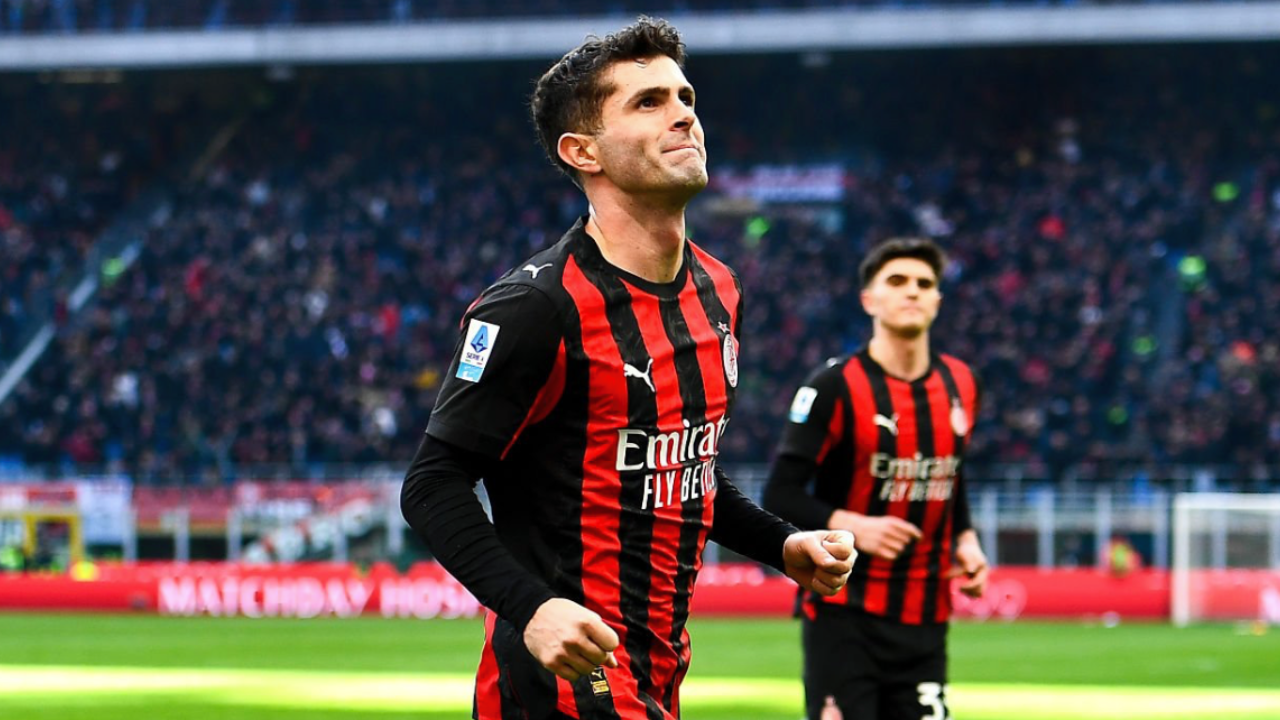
Friday night’s World Cup match between the United States and Paraguay looked great. Most of the images from the 4-1 U.S. win didn’t look anything like the stadium in which it was played.
But it was indeed SoFi Stadium. With rich, lush, naturally green grass.
“Wonder if we could get that all season,” 49ers tight end George Kittle said on Twitter.
Although the 49ers’ annual visit to their home away from home to play the Rams won’t happen this year (they’ll square off in Australia), the 49ers will be at SoFi Stadium to play the Chargers in Week 15, for a Thursday night game.
Friday night’s soccer match showed what SoFi could be, what it would be, if Rams owner Stan Kroenke were to embrace grass.
But he won’t. It costs too much money to maintain a high-quality grass field. It complicates the effort to have all sorts of other events at the venue.
Cowboys owner Jerry Jones made that point earlier this year, regarding his no-questions-asked willingness to install grass at AT&T Stadium for the World Cup.
“We have more flexibility with the way we handle our surface at the stadium,” Jones said at the annual meetings in Phoenix, via Jordan Raanan of ESPN. “We have no belief that it’s any safer to play on a grass [field] or a turf. We are ambiguous as to the safety of it. The turf, actually like many things, improves the economics of being able to play this game and our players are the biggest benefactor of all. They get the best benefit of when we do good things financially, the players are benefiting. So I’m working for you, baby, OK, if you’re a player.
“And so the combination of that, I’m very comfortable putting some grass down for soccer under regulations and proud to be able to do it but quickly get that turf back out there to go about the other business of the stadium and the team.”
The safety narrative is a weak one. The NFL has muddied the issue by focusing on the statistical claim that the injury rate is the same on grass as it is on turf. This ignores player experience beyond the question of actual injuries. The human body takes less wear and tear when the forces it creates are absorbed by a grass field than when the forces ricochet back into the feet and up through the legs.
Besides, how does Jerry Jones hosting a bunch of other events in a football stadium benefit the football players on the Cowboys? At best, it gives him more money to pay players. In a salary-capped environment, however, who cares? The TV money and the ticket revenue from the football games gives owners more than enough money to finance the roster.
The simple reality is that the overwhelming majority of players — 92 percent — prefer grass.
“I’m going into year 10, and I can say wholeheartedly that grass feels way better than turf,” Giants offensive lineman Jermaine Eluemunor recently said, via Rohan Nadkarni of NBC News. “With MetLife getting grass, obviously it’s cool for FIFA and the World Cup. It’s one of the biggest stages in the world but, at the same time, the NFL as a whole is one of the most profitable businesses in the world, and so you would think that us as players would have a say in the fields that we get to play on.”
The players do have a say. In an environment of collective bargaining, however, they need to be willing to give something up to get something else. When the original artificial turf — a thin sheet of green all-weather carpet rolled over concrete — began to proliferate, the NFL Players Association allowed it. The owners secured the discretion to choose the playing surface without any real pushback.
Now that the pushback is happening, the only path for making high-quality grass universal comes from bargaining for it. And, if need be, going on strike to get it.
It all comes back to the fundamental imbalance between management and labor in pro football. The owners will shut the sport down to get what they want. The players won’t.
If the choice is football on artificial turf or no football at all, the players will choose football on artificial turf. And the owners will ignore the P.R. complications flowing from the hypocrisy of writing a blank check for FIFA, because at the end of the day it’s all just words. Until the words are backed up by actions, nothing will change.
Hell, Jones probably likes the fact that the grass vs. turf debate exists. His view is that there’s no such thing as bad publicity. And so, on top of the fact that Jones and other owners make more money from staging their teams’ games on turf, the organic debate over an inorganic playing surface becomes another twist in the ultimate reality show.
And it’s a twist with no stakes. Unless and until the NFLPA is willing to do something other than create public pressure at which the owners won’t even blink, the back-and-forth over turf vs. grass will be nothing but noise.
So that’s the real question. Will the players simply talk about their preference for grass or, when the current Collective Bargaining Agreement expires in 2031, will they do something about it?
Given that most of the men who’ll be playing pro football in 2031 are currently in college or high school, it’s way too early to know the choice they’ll make. History, however, tells us that the decision between playing on artificial turf and not playing at all will be a no-brainer.
In the interim, is it possible that the players could emerge from talks over an expanded season with universal grass fields? Yes. To get there, however, they may have to be willing to go not from 17 regular-season games to 18 but from 17 to 20.
Source: NBCSports.com