

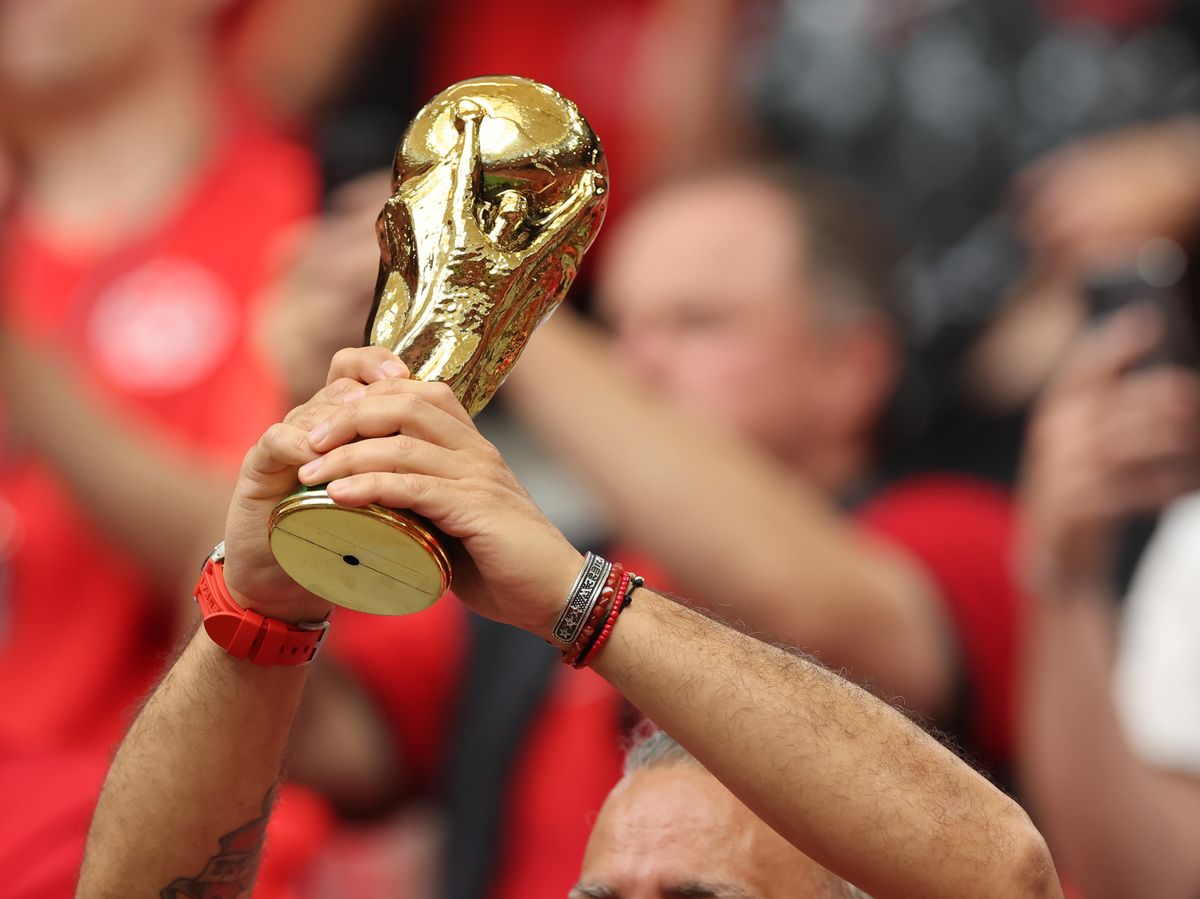
Before the World Cup started, fans raged over the cost of tickets — the highest ever for the tournament. Critics wondered whether prices would crash before kickoff, and if swathes of empty seats would embarrass FIFA’s pricing strategy.
Sign In or Create an Account
After the first week of matches, ticket demand has held up on resale platforms, with prices staying steady and some cases increasing. Stadiums are also close to full, and prices for the most exciting early games have hit highs of over US$4,000.
FIFA, the sport’s global governing body, has engaged in more aggressive ticketing tactics compared with previous tournaments, including dynamic pricing, staggered ticket drops and promoting its own resale platform. The event is expected to generate US$11 billion in revenue, the most in the tournament’s history. That has prompted accusations by some fans that the organizer is prioritizing profits over creating an enjoyable and accessible experience for people from all over the world.
“It’s led to a bit of confusion and frustration among fans wanting to attend these matches,” said Michael Johnson, an analyst at S&P Global. “They expected prices to drop once this tournament has started, but that really hasn’t happened.”
This year’s World Cup is being hosted in North America, with matches being played in 16 cities across the U.S., Canada and Mexico. Early on, in the days leading up to the tournament and in some of the first games, there were reports of empty seats in stadiums and tickets still available on FIFA’s official site. That suggested fans were rebelling against high prices for tickets, or transportation.
But despite negative press, premium demand is strong and tickets scarce, according to Bloomberg Intelligence analyst Kevin Near. That’s helping primary sales, though resales should heat up as the tournament progresses, he said. The first round of group-play matches have also been exciting, likely juicing demand, with one of the biggest upsets in the tournament’s history and stellar performances by football’s biggest stars, including Lionel Messi’s hat trick of goals for Argentina.
- Is the World Cup really a boon for the economy?
- World Cup exposes growing global rift over prediction markets
- Advertisement 1Story continues belowThis advertisement has not loaded yet, but your article continues below.
Chris Leyden, senior director of marketing at resale platform SeatGeek Inc., said FIFA likely priced tickets similar to what a fan would pay for marquee sports events in the U.S. The average price for a group stage World Cup ticket on SeatGeek was US$750 as of June 12, comparable to a National Football League playoff game. In five days since then, 84 per cent of matches have experienced price increases on the platform, he said.
“What we’ve seen on the resale side is a lot of the World Cup games have ended up being pretty close to the pricing that FIFA did,” he said.
Pricing and availability varies considerably depending on who’s playing and who’s winning. For example, after the U.S. team notched a record-setting win over Paraguay in its opening match, prices soared 68 per cent to US$2,314 for the June 19 game in Seattle against Australia, according to prices from resale platforms compiled by aggregator site Ticket Data. Prices to the U.S. team’s June 25 game against Turkey in Los Angeles have risen 105 per cent over the last few days to US$2,150, according to Ticket Data.
Source: Financial Post


