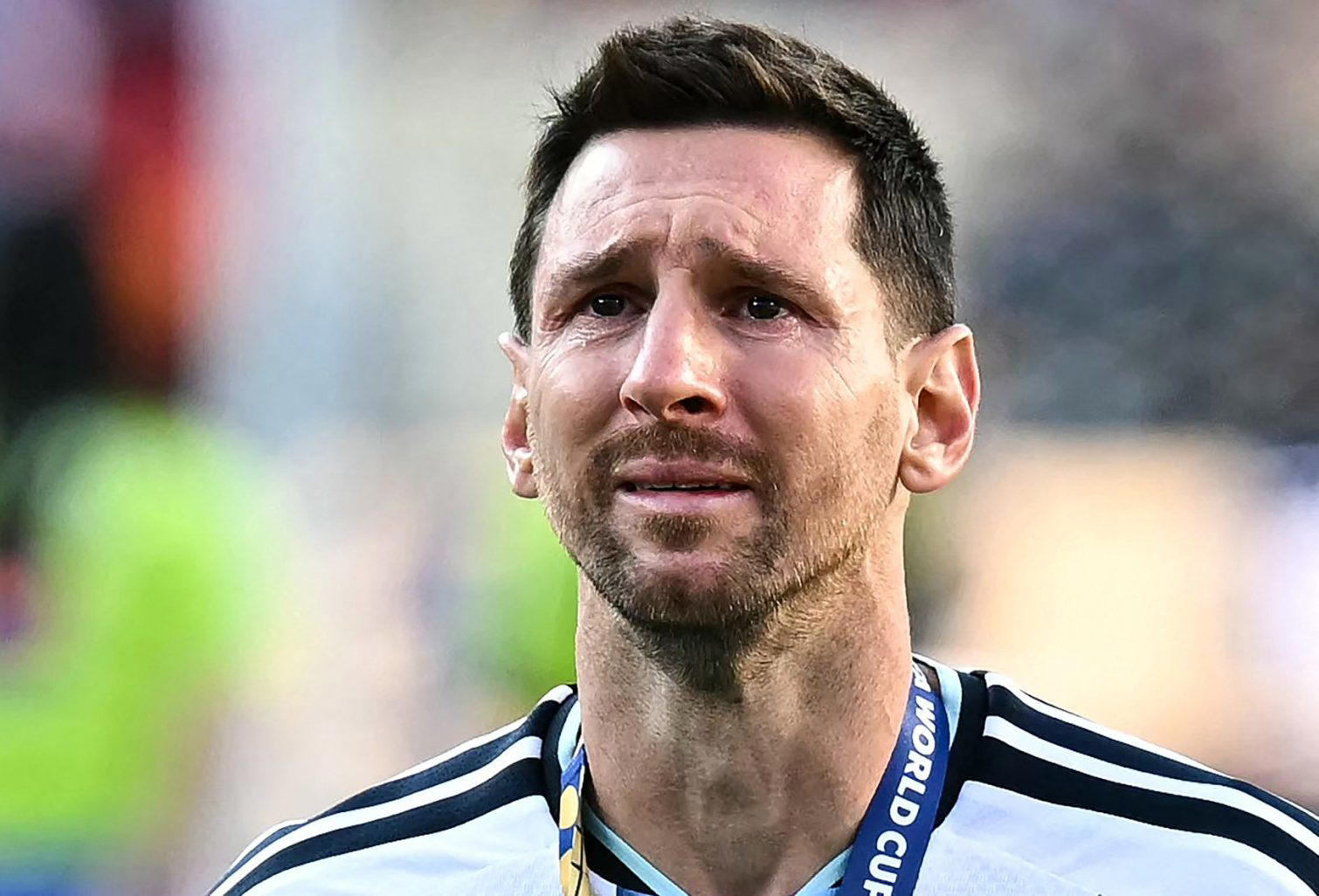


DALLAS — The 2026 World Cup is over. What will its legacy be?
For the first time, the tournament was played across three host nations, with more than 100 matches in an expanded format taking place in the United States, Mexico and Canada.
There were hydration breaks, implemented by FIFA at all venues rather than only the outdoor stadia when heat was a factor. There were multiple opening ceremonies. There was a halftime show.
While plenty have accused this of being the latest American innovations to invade soccer, that is confusion with the United States' closeness to capitalism. FIFA implemented those spectacles (that word may be generous to what the hydration break is) and will likely look to keep them in place as earning opportunities.
But while this tournament will be remembered as the launching-off point for changes we'd rather not see made, what about the affect the World Cup had on its host countries?
What did the United States show the world during the 2026 World Cup?
The World Cup put the best of the U.S. on display. All over the country, people worked to help fans find the stadium, get around town, try a local delicacy or have a few drinks together.
The relationship that blossomed between Algeria and Lawrence, with University of Kansas students and alumni twisting their normal chant and saying, "Rock Chalk, Algeria" was beautiful. So, too, was that between eventual champion Spain and their base camp in southern Tennessee. Who would've though Lamine Yamal would utter the phrase, "it's really nice. Soccer has given me this opportunity to be known in Chattanooga," for example.
The big cities also played their part, stadiums filled with die-hard fans but also local neutrals, who chanted along with Cape Verde fans or bought a new shirt to support a team for the day.
Those unable to afford the ticket prices, which never went down from their ridiculous starting point, took to the streets to watch matches at Fan Fests, in bars and in other spots around town, with many cities taking strides to make sure the matches were accessible to anyone who wanted to feel the World Cup excitement.
It was not a perfect World Cup. There was never justification enough provided for excluding Omar Artan, the 2025 CAF Referee of the Year, from the country. Iran's treatment was unlike any other country's, putting up obstacles Team Melli had to overcome that no other team faced.
And, of course, Donald Trump's attempt to get involved in FIFA disciplinary matters after Folarin Balogun was shown a red card, and the U.S. President sticking around for Spain's celebratory photo as FIFA President Gianni Infantino tried to whisk him away, was unnecessary even if unsurprising.
But fans all over the country, whether they were rooting for the U.S., Mexico, Argentina, England or any other country.
It's fair to be skeptical of viral Twitter star Freddy's U.S. journey and of many other overly curated moments. But the people of Lawrence, Chattanooga, Greensboro, North Carolina, Wilmington, Delaware, and all over the U.S. gave many genuine examples of what America's character is and can be beyond its politicians.
The tournament's success is not in the record TV ratings, the huge numbers of fans who went to stadiums or even in future soccer trophies lifted by players inspired by the 2026 tournament, but rather in the small moments of cultural exchange that happen in every tournament.
Did the 2026 World Cup boost Mexico's international reputation?
Mexico didn't have to deal with many of the issues that dogged the U.S. during the tournament. In fact, Mexico president Claudia Sheinbaum eagerly positioned Mexico as the answer to FIFA's issues. Iran moved to a base camp in Tijuana, where it became a favorite team for many fans used to rooting for Xolos, the usual tenant of Estadio Caliente.
The good vibes were desperately needed in Mexico. Violence in late February after the capture and killing of cartel leader Nemesio Oseguera Cervantes, better known by his nickname "El Mencho", postponed local matches and had organizers on high alert. While the intercontinental playoffs slated for Guadalajara and Monterrey went off without any issues, there still were some concerns from government officials, organizers and fans that there could be an incident.
Instead, just like in the U.S., the Mexican people were able show who they are beyond their government or a people struggling with the narcoviolence that dominates the headlines about the country around the world.
Fan fests were brimming with singing fans, many who ended up tossing TV reporters, content creators and fellow supporters in the air as they enjoyed the revelry of a home World Cup.
In the stadiums, support for Mexico was immense, and other than a storybook comeback against England in the round of 16, El Tri did everything it could to give fans what they hoped the 2026 tournament would be. There was Guillermo Ochoa's send-off, a knockout round win, bright spots from players who should star for Mexico in the future.
It was a rekindling of the relationship between the Mexico national team and its passionate but demanding fan base. It also was a reminder to the world that Mexico is a nation that should be characterized by much more than its struggles with organized criminal groups.
How did Canada experience the World Cup?
For Canada, the tournament can be seen as a clear marker for the sport. Canada's men's national team entered the summer never having achieved a point at a World Cup.
Now, manager Jesse Marsch's group can tick off its first point, its first win and its first knockout win. Canada bowed out in the round of 16, falling 3-0 to Morocco despite a super first half against the North African squad.
Much like its neighbors, the biggest echo will be heard not from what happened on the field but what happened off it. Canada fans filled the streets on their march to the match. For so long, supporters' groups like The Voyageurs have been small but mighty. The groups who headed to the World Cup venues and filled the stands showed that men's soccer certainly has arrived in Canada.
The Canada women's national team already has been a consistent competitor, winning gold at the 2020 Olympics. Canada also successfully hosted the 2015 Women's World Cup.
This time, the image was one of a nation that will continue to be a hockey country. That, of course, is heritage commemorated in plenty of one-minute films. But there will be plenty of boys who saw the spectacle this summer and decide they could be the next Jonathan David, Stephan Eustaquio or Cyle Larin.
What did the 2026 World Cup mean to North America?
Sheinbaum and Canadian Prime Minister Mark Carney joined Trump at the final, helping to award players their medals. The first time the leaders had come together was for the World Cup draw.
Now, there are no more natural meetings points. The heads of state must come together in more traditional settings, at conferences, at formal meetings – at least until the 2028 Olympics take place in Los Angeles.
What did the World Cup leave North America? It should be a moment of unity for the three North American nations. There are more shared fibers than simply enjoying soccer and being really good at putting on fun events. There is more than unites than divides. Yet, in the current political climate, it is likely that it will be on the people to show that truth - and to remember it.
Source: USA Today